


Lawyers caution AI chats lack legal privilege after US ruling
Anabelle Colaco
16 Apr 2026, 06:58 GMT+10
 Share
Share
 Tweet
Tweet
 Share
Share
 Flip
Flip
 Email
Email
Subscribe and Follow
Get a daily dose of Business Sun news through our daily email, its complimentary and keeps you fully up to date with world and business news as well.


News RELEASES
Publish news of your business, community or sports group, personnel appointments, major event and more by submitting a news release to Business Sun.
More InformationDow Jones bucks trend Wednesday, slips 72 points

NEW YORK, New York - U.S. stock markets closed mixed on Wednesday as a powerful rally in technology shares lifted the Nasdaq Composite,...
Proposed United-American merger faces major regulatory hurdles

WASHINGTON, D.C.: A proposed tie-up between United Airlines and American Airlines could dramatically reshape the U.S. aviation sector,...
Producer prices rise sharply on energy surge from Iran war

WASHINGTON, D.C.: Rising energy costs linked to the Iran war pushed U.S. wholesale prices sharply higher in March, adding to inflation...
Nasdaq closes nearly two percent higher Tuesday

NEW YORK, New York - U.S. stocks continued their march higher on Tuesday, buoyed by prospects the U.S. and Iran may soon return to...
IMF cuts outlook, flags recession risk if Iran war worsens

WASHINGTON, D.C.: The global economy is entering a period of heightened risk as the war in Iran disrupts energy markets, with the International...
U.S. stock markets shrug off breakdown in U.S.-Iran truce talks

NEW YORK, New York - U.S. stocks moved higher Monday despite the weekend's breakdown in talks in Pakistan which hoped to result in...
Lawyers caution AI chats lack legal privilege after US ruling
WASHINGTON, D.C.: Conversations with artificial intelligence tools could be used as evidence in court, U.S. lawyers are warning, following...
Amazon inks $11.57 billion Globalstar deal to boost satellite push
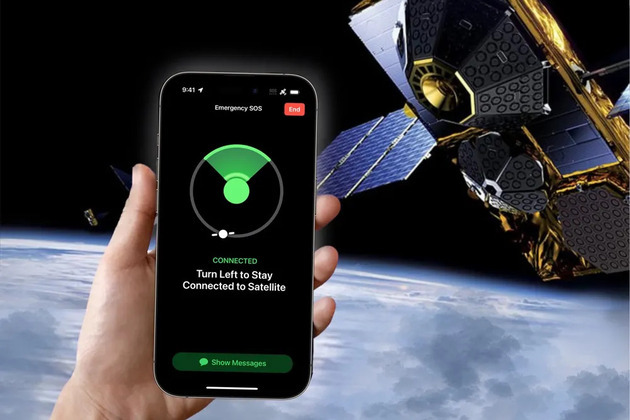
SEATTLE, Washington: Amazon is making a major push into satellite communications with a US$11.57 billion deal to acquire Globalstar,...
Tesco teams up with Adobe to boost AI-driven customer insights

LONDON, U.K.: Tesco is stepping up its digital transformation by partnering with U.S. software firm Adobe to harness artificial intelligence...
OpenAI says no data breach after third-party security scare
SAN FRANCISCO, U.S.: OpenAI said it had addressed a security issue linked to a third-party developer tool, adding that there was no...
Rising car costs push US buyers to loans, used vehicles

DETROIT, U.S.: The cost of owning a car in the United States is climbing to new highs, with rising vehicle prices, financing costs...
Mixue entry signals China’s push into Brazil’s consumer sector

SAO PAULO, Brazil: Chinese investment in Brazil is increasingly shifting toward consumer-facing sectors, as companies target the country's...
